




Technological innovation is the key to shaping the world.
Food – from production and consumption to distribution – is creating an ever-increasing carbon footprint, putting pressure on the planet. It is estimated that around 22% of food produced for human consumption is lost due to transportation and poor harvesting before reaching retail markets. What we eat, and how food is produced, not only affects our health but also significantly impacts the environment.
With the world's population constantly increasing, biodiversity in the food chain declining, and agricultural land becoming increasingly scarce, ensuring sufficient food for people while minimizing negative impacts on the environment has become a difficult challenge .
.png)
Technology: The Key to a Sustainable Food Future
Shen Ming Lee – author of " Hungry for Disruption: How Tech Innovations Will Nourish 10 Billion By 2050 " – poses the central question: How can we increase food production, both in quantity and quality, in the context of increasingly scarce resources?
She emphasized that technological innovation is always a necessary path to drive the development of any industry, and the food and agriculture sector is no exception. Feeding the global population while meeting environmental and economic goals requires us to leverage science and technology to create a sustainable, nutritious, and innovative food future.
To address these challenges, the food and agriculture sector can leverage technology to create sustainable solutions from limited resources.
AgriTech focuses on farm-to-table technology solutions to optimize crop yields, while FoodTech aims for innovation to ensure sustainable eating habits. The combination of FoodTech and AgriTech reduces the burden on the environment while creating technological efficiencies that benefit farmers, the planet, and consumers.
Understanding the True Value of AgriTech and FoodTech
Frédérique Carrier – Managing Director, Head of Investment Strategy at RBC Wealth Management (UK & Asia) – emphasized the need to understand the underlying trends and technologies addressing food insecurity and climate change.
“Traditional methods of food production and consumption are no longer suitable in the context of a growing population, shrinking agricultural land due to urbanization, and climate change,” Carrier said. The adoption of new technologies is necessary to mitigate these problems.
Shen Ming Lee argues that food and agriculture is a complex industry that requires the attention and in-depth understanding of many people in order to achieve profitability while creating positive social and environmental impacts.
Carrier also recommends that investors rely on professional organizations to evaluate companies operating in this sector, ensuring that ratings are not merely for show but accurately reflect the company's performance.
The Need for Innovative Solutions
Carrier argues that technology helps create “more with less,” for example, precision agriculture and genetic technology that increase productivity on farmland. She also emphasizes that more than one-third of food produced is lost due to inefficiencies in the supply chain—enough to feed 3 billion people. Cold chain technology and smart packaging help optimize the supply chain and reduce food waste.
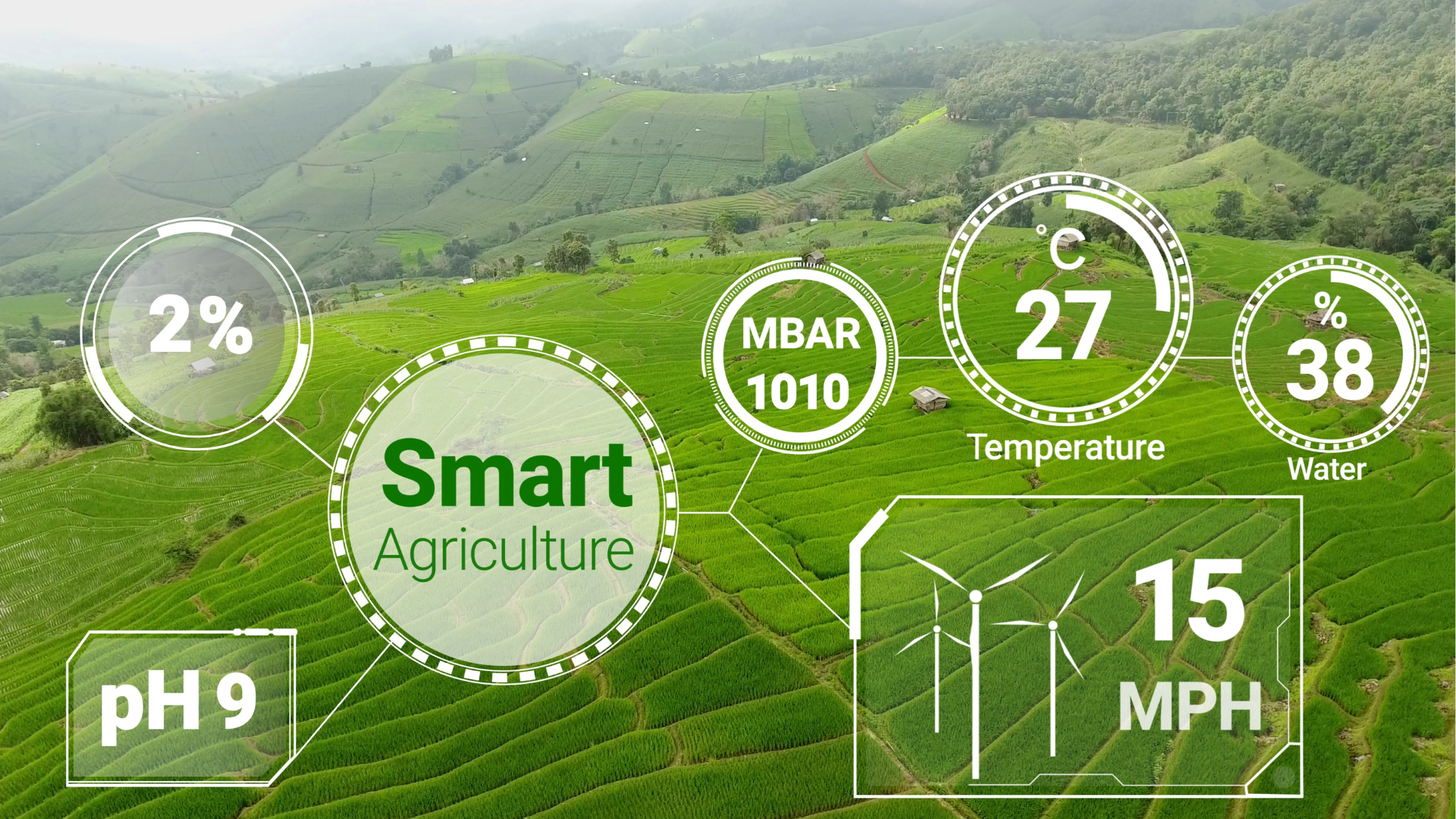
Shen highlighted several notable AgriTech innovations such as digitalization, farm automation (IoT, AI, robots, drones), indoor farming, and smart gardens, which are changing the way food is produced today.
Regarding FoodTech, both Carrier and Shen pointed out that plant-based protein alternatives significantly reduce environmental impact. Shen stated that biotechnology and food science enable the production of proteins from plants, cells, and fermentation processes, meeting the world's growing protein needs.
New food products such as low-glycemic index (low-GI) foods, those utilizing biotechnology, and high-functioning crops will unlock tremendous innovation potential.
Reduce Your Carbon Footprint in Your Food Choices
Shen Ming Lee recommends that consumers can reduce their carbon footprint by:
✅ Eating less meat and increasing plant-based protein (tofu, lentils, nuts, green vegetables).
✅ Eating a varied diet, avoiding reliance on only a few types of plants and animals.
✅ Reducing food waste by buying only what is needed and recycling leftover food.
✅ Buying local products to reduce transportation distances.
✅ Limiting the use of plastic when buying food.
✅ Eating less meat and increasing plant-based protein (tofu, lentils, nuts, green vegetables).
✅ Eating a varied diet, avoiding reliance on only a few types of plants and animals.
✅ Reducing food waste by buying only what is needed and recycling leftover food.
✅ Buying local products to reduce transportation distances.
✅ Limiting the use of plastic when buying food.
The Future of Food
Carrier predicts that plant-based proteins will continue to gain market share as technology improves and costs decrease. Food companies that invest early in alternative proteins will have an advantage in product innovation, processing technology, and distribution networks. Companies developing sustainable technologies (SusTech) will have opportunities for long-term growth.
Shen anticipates that food production will become more localized and efficient thanks to agricultural robots, precision farming, and indoor farming. On the consumer side, more people will adopt sustainable eating habits, reducing meat consumption, using alternative proteins, prioritizing seasonal foods, and reducing food waste. (
Source: Royal Bank of Canada)
Source: Royal Bank of Canada)